
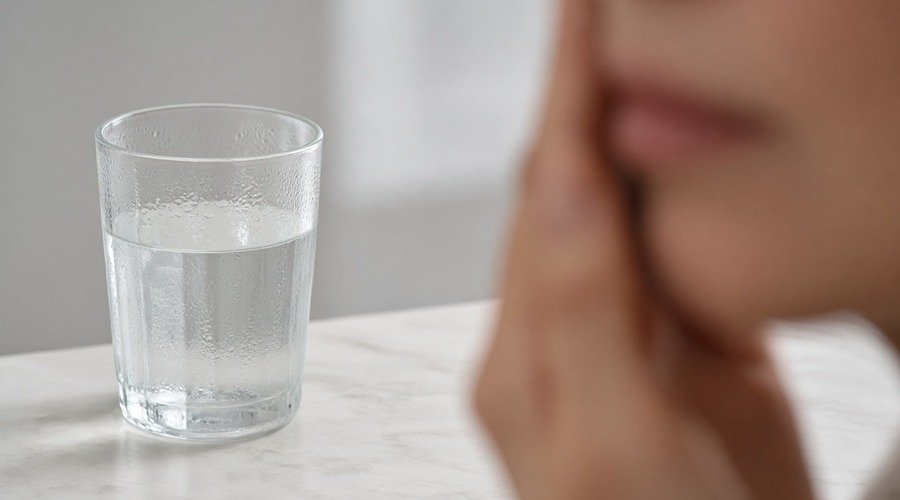
Sensitivity to cold after a dental cleaning is common, and for a lot of people it is a short window, not a new cavity. Scaling and polishing clear stain and tartar off the root edge and open a few tubules in the dentin for a while. Cold air, ice water, and a sip of something sweet can zing. Most of that fades within a few days to two weeks. Pain that stays sharp, lives on one tooth, or shows up when you bite is not “just the cleaning.”
What the cleaning actually changed
Tartar is a hard blanket. While it sits on the tooth, it also covers spots that used to be protected. When the hygienist removes it, those spots meet temperature again. Gums that were puffy can shrink slightly as the inflammation drops, so a millimeter of root may feel air for the first time in months. That is exposure, not damage from the metal instrument, as long as the zing is brief and spread across several teeth.
A routine cleaning and a deeper cleaning under the gum are not the same recovery. After a regular visit, cold sensitivity after dental cleaning is often gone inside two weeks. After scaling and root planing, the same zing can last longer because more root was uncovered on purpose. Ask which one you had if you are not sure. The after-care they gave you beats a general article.
What helps during the normal window
Treat the next one to two weeks as a settling period:
- Use a toothpaste labeled for sensitivity. In the U.S. those usually rely on potassium nitrate or stannous fluoride. Brush with it twice a day. Spit, and leave a thin film on the teeth instead of rinsing it all away.
- Skip ice water, crushed ice, and very cold fruit for a few days. Lukewarm drinks are enough of a test.
- Stay with a soft brush and light pressure. Scrubbing the sore spot does not “toughen” it.
- Wait on whitening strips, whitening paste, and acidic rinses until the zing is gone. They keep the tubules open.
- If the office painted on a varnish or gave you a prescription paste, use that on their schedule. Do not stack three sensitivity products the same night.
Keep cleaning between the teeth. Avoiding the area lets plaque sit on tissue that was just instrumented, which prolongs the soreness. Ease up. Do not stop. A fluoride toothpaste choice is covered in more detail in the note on fluoride toothpaste.
When it is not a normal window
Call the office if:
- The cold zing is still strong after two weeks, or after four weeks if you had a deep cleaning.
- One tooth hurts much more than the others, wakes you up, or lingers for minutes after the cold is gone.
- Biting, chewing, or letting the teeth touch sets off a sharp pain. That can be a crack, a high filling, or a bite that needs a quick adjustment.
- The gum on one tooth stays swollen, bleeds on its own, or tastes bad.
- You feel a shock when you touch metal, or a white filling that was just placed feels wrong. Sometimes the bite is simply high and a few minutes in the chair fixes it.
Do not start antibiotics you have left over, and do not file the tooth yourself. Sensitivity toothpaste will not close a crack or quiet a nerve that is already angry. The red-flags page is the short list for pain, swelling, and fever. Everything else can wait for a regular visit, but it should be a visit, not another month of guessing.
What to tell them
Say when the cleaning was, whether it was a regular visit or a deep cleaning, which teeth zing, and whether the pain stops the second the cold is gone or hangs on. Mention whitening, a new electric brush, acid reflux, or a habit of sipping soda through the day. Those keep teeth sensitive no matter how careful the hygienist was.
If you need to eat before it settles, take food closer to room temperature, chew on the side that is quiet, and skip citrus and sparkling water for a few days. That is comfort, not treatment. If the quiet side starts hurting too, stop shifting the whole bite onto it and get the office on the phone.
This is general education for a U.S. audience. It does not diagnose a toothache. A dentist has to test the tooth to tell a temporary cleaning reaction from decay or a crack.