
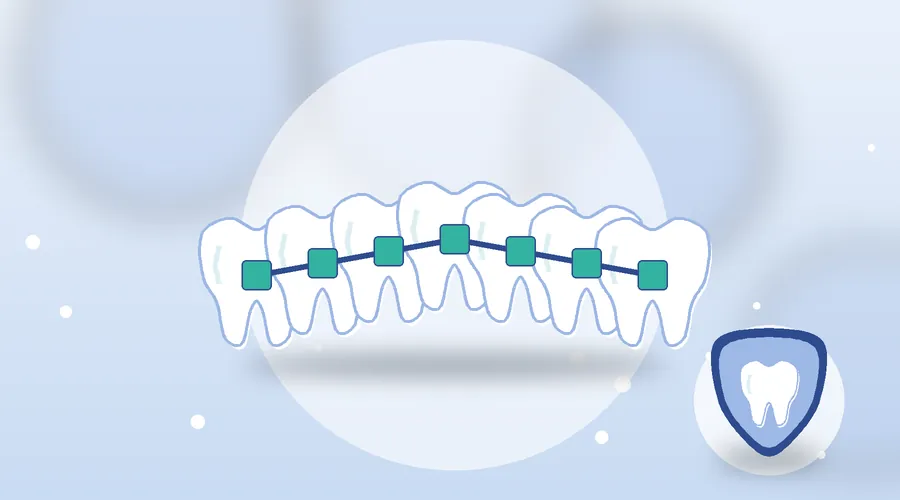
Braces create dozens of small ledges where plaque settles, and a regular toothbrush does not reach under the wire. The result, if cleaning slips, is easy to predict: stains around the brackets, chalky white spots once the braces come off, and gums that turn red and puffy. Cleaning with braces takes a few extra minutes and a few extra tools, but it protects the smile you are paying to straighten.
How does cleaning with braces work, step by step?
Brush after meals when you can, and always before bed, with a soft brush and fluoride toothpaste. Work in sections rather than racing across all your teeth at once. Angle the bristles toward the gum and clean the top of each bracket, then angle them up to clean the bottom edge, then clean the tooth surface itself. That is three angles per tooth instead of one, which is why it takes longer.
Give the inner and chewing surfaces their usual attention, and spend about two minutes total at a minimum. Check in a mirror afterward: a chalky film around a bracket means plaque is still there. Replace your brush sooner than usual, since braces flatten bristles quickly.
What tools actually help between brackets and wires?
A single brush is rarely enough. A small interdental brush slides under the archwire and cleans around the bracket sides. Floss threaders or stiff-ended floss let you pass floss under the wire to clean between teeth. A water flosser flushes out food and loosens plaque along the gumline; many people with braces find it the easiest daily add-on. Use it alongside brushing, not instead of it.
Pick one or two tools you will use every night. Your orthodontist can show you the right brush size and a technique for your particular wire setup, which beats guessing.
How do you avoid stains and white spots?
White spots are early mineral loss in the enamel around brackets. They form when plaque sits there, often with frequent sugary or acidic drinks. Once the braces come off, they stay visible, which is why prevention matters. Keep sipping drinks to a minimum, rinse with water after sodas, coffee, tea and sports drinks, and use fluoride toothpaste. Your orthodontist or dentist may recommend a fluoride rinse; follow their advice on that.
Color stains from coffee, tea, curry, tomato sauce, berries and cola build up on plaque and on the elastic ties. Brush after those foods if you can, and expect the ties to be replaced at adjustments. The way timing and snacking raises decay risk is explained in sugar and cavities.
What if your gums are swollen or bleeding?
Gums often swell around braces because plaque collects at the gumline and the tissue reacts. Do not skip cleaning because it bleeds; careful cleaning is what settles it, and it usually calms within a couple of weeks. If gums grow over brackets, bleed heavily, hurt, smell bad or feel loose, tell your orthodontist, because that is a sign to be checked.
Also call for a broken wire, a loose bracket, or a poking wire. Orthodontic wax is a short-term fix for rubbing. Keep your regular dental cleanings during treatment, since your dentist can spot cavities that are hard to see around brackets.
This article is general information and does not replace an exam or your orthodontist's instructions.